
Introduction:
In recent years, India has emerged as a major player in the global cotton industry. With its favorable climate, large agricultural workforce, and advanced technology, the country has solidified its position as one of the top producers and exporters of cotton in the india. Let’s delve into the fascinating world of the cotton industry in India and explore the factors that have contributed to its success.
Growth and Expansion of the Cotton Industry in India
The cotton industry in India has experienced significant growth and expansion over the years. With favorable climatic conditions in states like Gujarat, Maharashtra, Telangana, and Andhra Pradesh, the country has been able to cultivate high-quality cotton on a large scale. This has led to an increase in cotton production, making India the largest producer of cotton globally.
Factors Contributing to India’s Success in Cotton Production
- Rich Agricultural Heritage: India has a long history of agricultural innovation and expertise, which has been passed down through generations. This knowledge has played a crucial role in the success of the cotton industry in the country.
- Advanced Technology: The use of modern farming techniques, machinery, and tools has helped Indian farmers increase their productivity and yield. From genetically modified seeds to mechanized farming equipment, technology has revolutionized the cotton industry in India.
- Government Support: The Indian government has implemented various policies and initiatives to support cotton farmers. Subsidies, loans, and other forms of financial assistance have empowered farmers to invest in their crops and improve their yield.
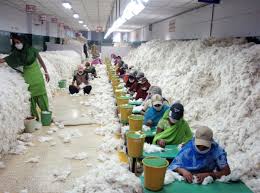
- Skilled Workforce: India has a large agricultural workforce that is skilled and experienced in cotton cultivation. From sowing seeds to harvesting the crop, Indian farmers work tirelessly to ensure a successful cotton harvest.
Challenges Faced by the Cotton Industry in India
While the cotton industry in India has seen remarkable growth, it also faces various challenges. These challenges, if not addressed, could hinder the progress of the industry and impact the livelihoods of thousands of farmers.
- Pests and Diseases: Cotton crops are susceptible to various pests and diseases that can significantly reduce yield. Farmers in India often struggle to control these pests effectively, leading to losses in production.
- Climate Change: Climate change poses a significant threat to the cotton industry in India. Erratic weather patterns, droughts, and floods can adversely affect cotton crops, leading to poor yield and quality.
- Market Fluctuations: The cotton industry is subject to market fluctuations, which can impact the prices of cotton. Indian farmers often face uncertainty due to unpredictable market conditions.
- Lack of Infrastructure: The lack of proper infrastructure, such as storage facilities and transportation networks, can hinder the growth of the cotton industry in India. Farmers often struggle to store their produce and transport it to markets efficiently.
The Future of the Cotton Industry in India
Despite the challenges it faces, the future of the cotton industry in India looks promising. With continued government support, technological advancements, and the resilience of Indian farmers, the industry is poised for further growth and success. By addressing the challenges and leveraging its strengths, India can solidify its position as a global powerhouse in the cotton industry.